


FLASH NEWS
Stradner: US resolution on Kosovo in NATO is a "strong political signal"

2026-05-01 18:51:45 / KOSOVA
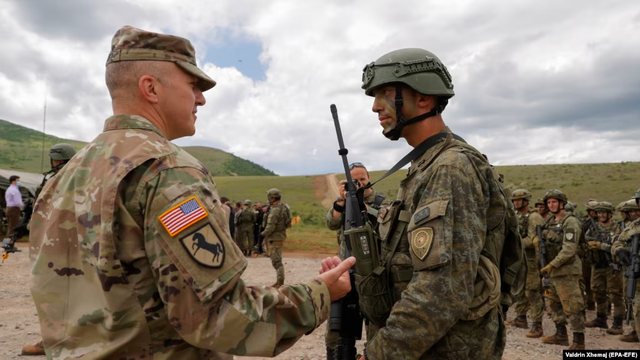
Kosovo received a political boost in its bid to join NATO, the military alliance that intervened in 1999 to end the war, after three US congressmen introduced a resolution this week in support of its long-standing aspiration.
The resolution, introduced on April 30 with bipartisan support from Congressmen Keith Self, Ritchie Torres and Mike Lawler, also prompted immediate reaction from Serbia, which regularly fights Kosovo's membership in international organizations.
For Ivan Stradner from the Washington-based Foundation for Defense of Democracies (FDD), the resolution is “a strong political signal, as it brings Kosovo closer to NATO in a strategic sense.”
"On paper, Kosovo may not be much closer to membership, given that four NATO allies still do not recognize it, but this is a step in the right direction at a time when the security situation in the region is deteriorating," Stradner tells Radio Free Europe.
Kosovo has not yet made a formal application to join NATO, as it faces major obstacles, such as the lack of recognition by four member states: Greece, Romania, Slovakia and Spain.
It is also currently transforming the Security Force into a full army, which is expected to last until 2028.
Furthermore, Kosovo is not even part of NATO's Partnership for Peace program, which serves as a pathway for any country that wishes to become a member of the military alliance.
Admitting a new member requires unanimity within the alliance, which is why the resolution presented by congressmen asks Washington to urge these four member countries to recognize the newest state in Europe.
Stradner estimates that initiatives in Congress, such as this resolution, may not be able to force NATO allies to change their positions, but they shape the political environment by showing that Washington sees the Balkans as an unfinished strategic issue and expects more unity within the alliance.
"They also send a clear signal to the domestic American debate that this is not the time to limit or withdraw American military commitments from the alliance in the Balkans, despite occasional voices to this effect. A sustained US military presence in Europe remains essential for deterrence and long-term stability," she emphasizes.
There have been rumors in recent months that the US may withdraw its troops from NATO, including from its peacekeeping mission in Kosovo, KFOR.
But the Pentagon previously told Radio Free Europe that there had been no announcement of a change in the deployment of forces.
About 590 American forces serve in Kosovo as part of the NATO peacekeeping mission.
Dhe, sipas Stradnerit, kjo rezolutë gjithashtu “dërgon mesazh të qartë se Shtetet e Bashkuara vazhdojnë të investojnë në rolin dhe kohezionin e NATO-s”.
Rezoluta pasqyron “tensionet rajonale”
Stradner beson se paraqitja e rezolutës amerikane në këtë kohë pasqyron “si tensionet e vazhdueshme rajonale, ashtu edhe një garë më të gjerë gjeopolitike, ku zonat gri po shihen gjithnjë e më shumë si dobësi”.
Tensionet në rajon janë shtuar kohëve të fundit, me presidentin e Serbisë, Aleksandar Vuçiq, që pretendon pa ofruar prova se vendet fqinje “po përgatitën” për sulm ndaj saj.
Për ta forcuar narrativin e tij, Vuçiq paralajmëroi javë më parë investime të reja në ushtri dhe rritje të mëtejshme të kapaciteteve mbrojtëse, duke theksuar se Serbia duhet të jetë e përgatitur për çdo zhvillim në një “situatë komplekse” sigurie, të shkaktuar nga aktivitetet e Prishtinës, Tiranës dhe Zagrebit.
Ai po i referohej një deklaratë të përbashkët për bashkëpunim në fushën e mbrojtjes mes Kosovës, dhe dy anëtareve të NATO-s: Shqipërisë dhe Kroacisë.
Që të tri vendet kanë thënë vazhdimisht se deklarata trepalëshe mes tyre nuk është e drejtuar kundër askujt dhe se synimi është zhvillimi i mbrojtjes.
Kosova, në anën tjetër, vitet e fundit e ka akuzuar Serbinë për agresion, për shkak të stërvitjeve ushtarake pranë kufirit të saj.
Stradner thotë se Ballkani Perëndimor ka treguar tashmë se sa shpejt mund të përshkallëzohen tensionet, duke i përmendur incidentet gjatë protestave të vitit 2023 në veriun e banuar me shumicë serbe, ku u lënduan mbi 90 paqeruajtës të NATO-s në Kosovë.
Këto incidente, sipas saj, nënvizojnë se aleanca “nuk po përballet me rreziqe abstrakte, por me pika reale tensioni”.
“Derisa po përballet me vështirësi në luftën e tij në Ukrainë, Putini po kërkon mënyra të reja për të sfiduar Perëndimin, dhe hapja e një konflikti të ri në Ballkan është gjithmonë në ‘menynë ushtarake’ të tij, me ndihmën e Vuçiqit. Pikërisht për këtë arsye NATO ka interes për stabilitet në rajon”, thekson Stradner.
Ajo beson se mësimi që shumë politikëbërës e nxjerrin nga pushtimi i Ukrainës nga Rusia, i cili nisi më 2022 dhe po vazhdon, është i “drejtpërdrejtë”.
“Vendet jashtë NATO-s, si Ukraina, mbeten të ekspozuara, ndërsa anëtarësimi në NATO ofron një nivel parandalimi që aktorë si Putini hezitojnë ta sfidojnë drejtpërdrejt”, thotë ajo.
Kjo vlen për Kosovën, një vend që gëzoi lirinë falë ndërhyrjes së NATO-s më 1999 për ta zmbrapsur regjimin e atëhershëm serb, pasi zyrtarët e saj e kanë përsëritur vazhdimisht se vendi do të jetë më i sigurt duke qenë pjesë e aleancës.
Kundërshtimi i Serbisë i “parashikueshëm”
Serbia e lufton publikisht pavarësinë e Kosovës dhe anëtarësimin e saj në organizata ndërkombëtare dhe, sipas Stradnerit, reagimi i Vuçiqit ndaj rezolutës amerikane nuk është i papritur.
Në një marrëveshje të vitit 2023 në dialogun e ndërmjetësuar nga Bashkimi Evropian, Serbia ishte zotuar se nuk do ta bllokonte anëtarësimin e Kosovës në organizata ndërkombëtare.
However, she has not kept her promise three years later and has continued to lobby against her neighbor.
"Vučić's opposition to this resolution is predictable. He has little interest in welcoming a stronger NATO presence, but Serbia's participation in occasional NATO exercises should not be confused with a full-fledged alignment, especially given its parallel military cooperation with Russia and China," Stradner emphasizes.
Serbia is militarily neutral, but is part of NATO's Partnership for Peace program and cooperates with the alliance in this spirit.
At the same time, however, it consistently conducts military exercises with China and has not joined the West in imposing sanctions on Russia for its invasion of Ukraine.
"Serbia is expanding its military capabilities with the support of external partners, while Vučić continues to balance between Brussels, Moscow and Beijing in a way that raises reasonable concerns about Serbia's long-term direction," Stradner underlines.
She points out that, despite the Serbian government benefiting from EU funds, Vučić's rhetoric and positioning "often reflect themes associated with Vladimir Putin, especially in the context of regional influence and narratives such as a wider 'Serbian world'."
“Domestic pressures also matter: as protests and political tensions within Serbia grow, there is a recurring pattern where Vucic tends to escalate to de-escalate the situation in the region,” she concludes./REL
Happening now...


Sali Llapa
Nga Bato Kosova
ideas

Sali himself, Kadi himself!
Nga Edison Ypi


Everyone against the murderer, no one against themselves!
Nga Andrea Danglli
top



Alfa recipes







services
- POLICE129
- STREET POLICE126
- AMBULANCE112
- FIREFIGHTER128