


FLASH NEWS
Switzerland with a population limit of 10 million people? Residents vote in the referendum, here's what's expected to happen

2026-06-13 16:04:13 / BOTA
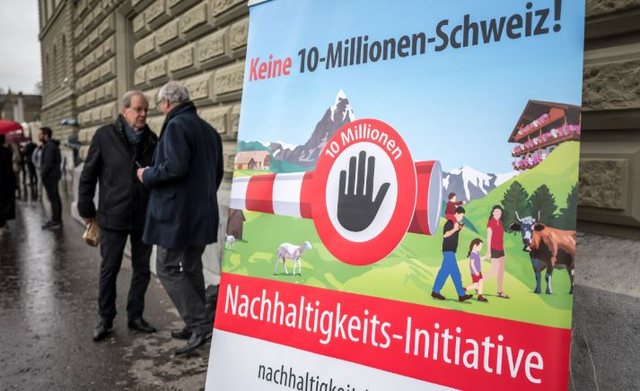
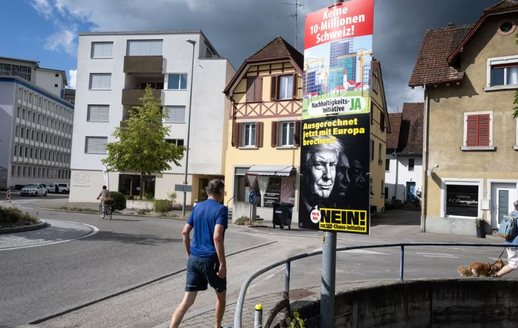
Swiss voters will decide on Sunday on an SVP-backed limit on population growth, which polls suggest will narrowly fail amid warnings it would damage the economy and relations with the EU.
Swiss citizens will vote on the "No to a Switzerland of 10 million!" initiative, which aims to limit the national population to below 10 million by 2050.
The measure, proposed by the right-wing Swiss People's Party (SVP), was introduced after securing the necessary 100,000 signatures.
The country's largest party in parliament is calling it a 'sustainability initiative', arguing that uncontrolled immigration causes an unbearable burden on housing, public services and the environment.
Switzerland's population has grown significantly in recent years due to a strong labor market. At the end of 2025, approximately 9.1 million people lived in Switzerland, about 27% of whom are non-citizens.
If the population exceeds 9.5 million, the initiative would force parliament to restrict asylum and family reunification, while reaching the 10 million mark would require the termination of free movement agreements with the European Union.
Polls suggest the proposal will be rejected by a narrow margin, with the government and major business groups strongly opposing it, warning that it would damage the economy, undermine national prosperity and jeopardise vital European security pacts.
They warn that this could sink prosperity in Switzerland, where large parts of the economy – from medical research to construction to healthcare – are heavily dependent on foreign labor, mainly from neighboring EU countries. Even in the hotel industry, “more than 50 percent of employees are foreigners,” says Martin von Moos, head of the industry association HotellerieSuisse, expressing concern that the initiative would exacerbate chronic labor shortages in the sector.
There are also fears that the initiative would jeopardize key agreements linking Switzerland with the EU, its main trading partner, including their 1999 "agreement on the free movement of persons".
Last year, more than half of Switzerland's total exports went to the EU, amounting to more than 147 billion Swiss francs (159.2 billion euros).
“For us, access to the European market is vital,” said Pierre-Yves Bonvin, head of textile machinery manufacturer Steiger, which exports all of its production to the EU. The company, based in Vionnaz in the southwest, has moved some of its production to China but has kept high-value-added machinery in Switzerland.
More than a third of the 40 people Steiger employs in Switzerland are foreign nationals. “In Switzerland, we can find engineers to design, build and assemble the machines, but we lack the expertise to test and calibrate them,” Bonvin told reporters.
"There is no more training in this field in Switzerland and we need to recruit these specialists from France and Germany," he said, stressing that without these skills, "we could not continue to produce these machines in Switzerland."
Rudolf Minsch, chief economist at Economiesuisse, said the proposal "sells the illusion of a free lunch and will not solve our housing or traffic problems."
Happening now...












ideas

Cikloni gjeopolitik dhe paktet e fundit të tranzicionit shqiptar
Nga Azgan Haklaj

Gen Z
Nga Neli Demi

top

Alfa recipes



TRENDING 




services
- POLICE129
- STREET POLICE126
- AMBULANCE112
- FIREFIGHTER128