


FLASH NEWS
The rift between the US and the EU/What Edi Rama's acrobatics within the alliance reveal

2026-05-03 22:12:46 / POLITIKË
If one reads carefully the behavior of Prime Minister Edi Rama recently, it seems as if the zeal with which he rushed to get closer to the European Union has faded. Even during his last visit to Spain, Rama conducted it coldly without a clear message about the meetings he held. On the contrary, in the statements he has issued to foreign media during this period, Rama has returned to a dismissive, almost arrogant rhetoric towards the European Union, a position similar to that when he was propagandizing the Open Balkans together with Vučić.
This calculated rhetoric has shaped an overbearing Edi Rama, not at all in the stature of a prime minister of a small country aspiring to integrate into the European Union. It is easy to see how Rama no longer cares to issue statements about the "mistakes" of the European Union; how he lectures on the behavior of Europeans with other global factors, or when he relativizes the decisions of foreign politicians with an unjustified superiority.
Statements that “Albania can never become Germany” or that Europe suffers from neurotic problems, show precisely this new approach. Even against the backdrop of his paintings exhibited in Berlin, he let out another taunt when he said that the European Union has changed after the war in Ukraine, because it has understood that “countries can be lost.”
The question that arises after this statement is how can the European Union lose Albania, which has been aspiring to European integration for decades? In what other direction can our foreign policy be focused, for the EU to consider it lost?
The most realistic reading is that the prime minister refers to the "loss" of states from the EU, Albania's rapprochement with the US, in a context of crisis in the alliance between the United States and the European Union.
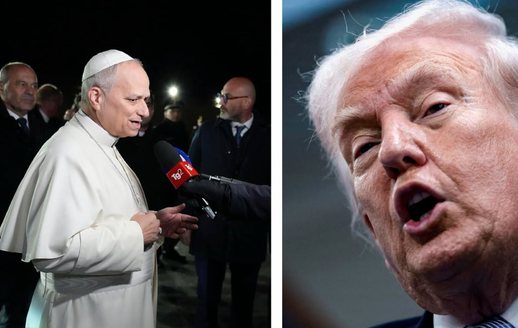
The alliance's rift is multifaceted, from immigration policies to economic clashes and, most recently, military division, when European countries rejected attacks on Iran, while Trump is withdrawing some American troops from Germany.
This transatlantic schism has created a new moment for the Western Balkan countries that until yesterday did not have many alternatives. Moreover, seeing this new space created by the crisis of the greats, Edi Rama and Aleksandar Vučić, two autocrats who regularly face rejections from Brussels, reached the peak of arrogance with the letter, where they brazenly asked to become part of the common market of the union and the Schengen area, openly admitting that they did not intend to meet the political conditions, which have to do with the rule of law, the independence of the judiciary, freedoms and human rights, etc.
Por përtej kësaj sfide ndaj Brukselit që u harrua shpejt, janë disa episode konkrete që tregojnë se Edi Rama po bën çmos ta orientojë qeverinë drejt sqetullës së Trump, duke marrë kosto në raport me Bashkimin Europian që sapo ka eleminuar brenda tij një trumpist të thekur si Viktor Orban.
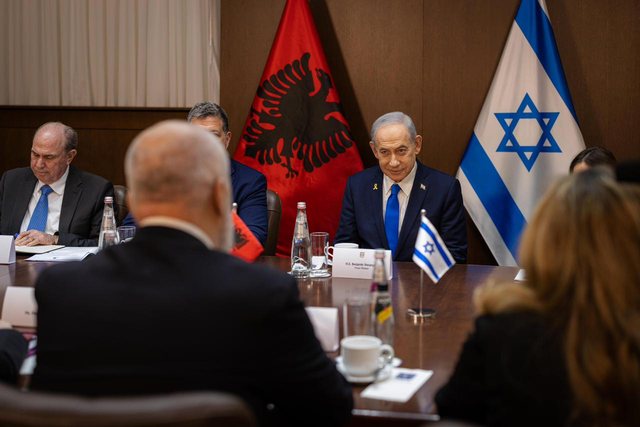 Vizita e Edi Ramës në Izrael në fillim të këtij viti dhe takimi me Benjamin Netanjahun në kulmin e masakrave në Gaza ishte një dorashkë sfide për Bashkimin Europian. Për kryeministrin e Izraelit ka një mandat arresti nga gjykata ndërkombëtare e Hagës për genocidin në Gaza dhe përdorimin e urisë si mjet lufte ndaj popullsisë civile. Si akt diplomtik, kjo vizitë ishte në drejtim të kundërt me qëndrimin e Bashkimit Europian.
Si të mos mjaftonte kjo, Rama mori pjesë edhe në një konferencë ku ishin përfaqësuesit më radikalë të së djathtës europiane, një pjesë e tyre në zgrip të ligjit për shkak të retorikës raciste, ksenofobe dhe islamofobe.
Por duhet theksuar se si Benjamin Netanjahu, ashtu edhe nacionalistët europianë që takoi Rama në Izrael shihen me simpati nga Donald Trump dhe lëvizja e tij, MAGA.
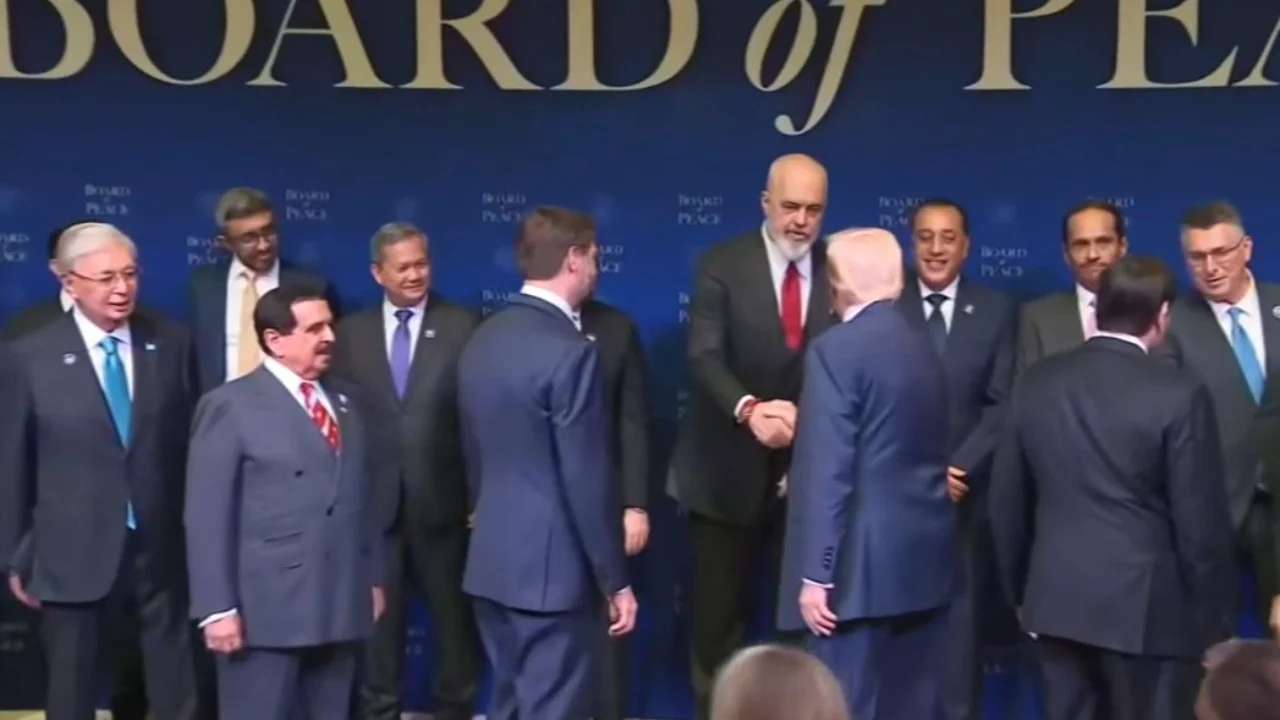 Në të njëjtën linjë ishte pjesëmarrja e Ramës në Bordin e Paqes. Që kryeministri i Shqipërisë do t’i përgjigjej pozitivisht ftesës së presidentit të SHBA, kjo ishte mëse e pritshme. Por Rama shkoi akoma më tej? Ai bëri çmos të fusë ushtrinë shqiptare si pjesë e forcës paqeruajtëse në Gaza si një nga 5 vendet me shumicë myslimane që u bënë pjesë e këtij projekti.
Sërish ky angazhim ushtarak në një projekt si ai i Gazës binte ndesh me qëndrimin e Bashkimit Europian. Disa kryeministra europianë e kishin refuzuar me takt ftesën e Ramës, pasi unioni e refuzoi njëzëri planin e Trump në menaxhimin e Gazës. I vetmi që ishte në bord, Viktor Orban i Hungarisë.
Në termat e politikës së jashtme, zgjedhja pro SHBA ishte e qartë, por në anën tjetër ishin shkallmuar plotësisht pritshmëritë e Bashkimit Europian për një vend aspirant.
 Një tjetër element që e thellon diferencën me politikën e jashtëme të Bashkimit Europian është qasja ndaj Rusisë. Në një intervistë për Politico, disa ditë më parë Rama deklaroi: “Europa ka bërë një gabim të madh strategjik duke ndërprerë çdo kanal me Rusinë. Europa duhet të jetë gjithmonë, gjithmonë, gjithmonë në komunikim me të gjithë.” Në shashkat që Rama tani nuk i kursen për mediat europiane, lexohen qëndrimet e një politikani që nuk e bashkon asgjë me politikën e jashtme të Bashkimit Europian. Rama në fakt duket sikur përpiqet të japë një mesazh krejt të kundërt me politikat e BE.
“Sa më shumë ta shtyjmë këtë [dialogun me Rusinë], aq më pak do të kemi ndikim në fund, sepse Rusia, sido që të përfundojë kjo luftë, nuk do të zhduket,” vazhdon ai.
Politico journalists also note the contrast. They wrote that Rama’s statements contradict the approach of senior EU officials such as European Commission President Ursula von der Leyen and EU chief diplomat Kaja Kallas, who have avoided direct contact with Russian leaders, including President Vladimir Putin, arguing that talks are meaningless if Moscow continues the war.
But it must be said, this is a pragmatism that closely resembles Donald Trump's approach to the war in Ukraine. The US president did his best to improve relations with President Putin, emphasizing joint dialogue.
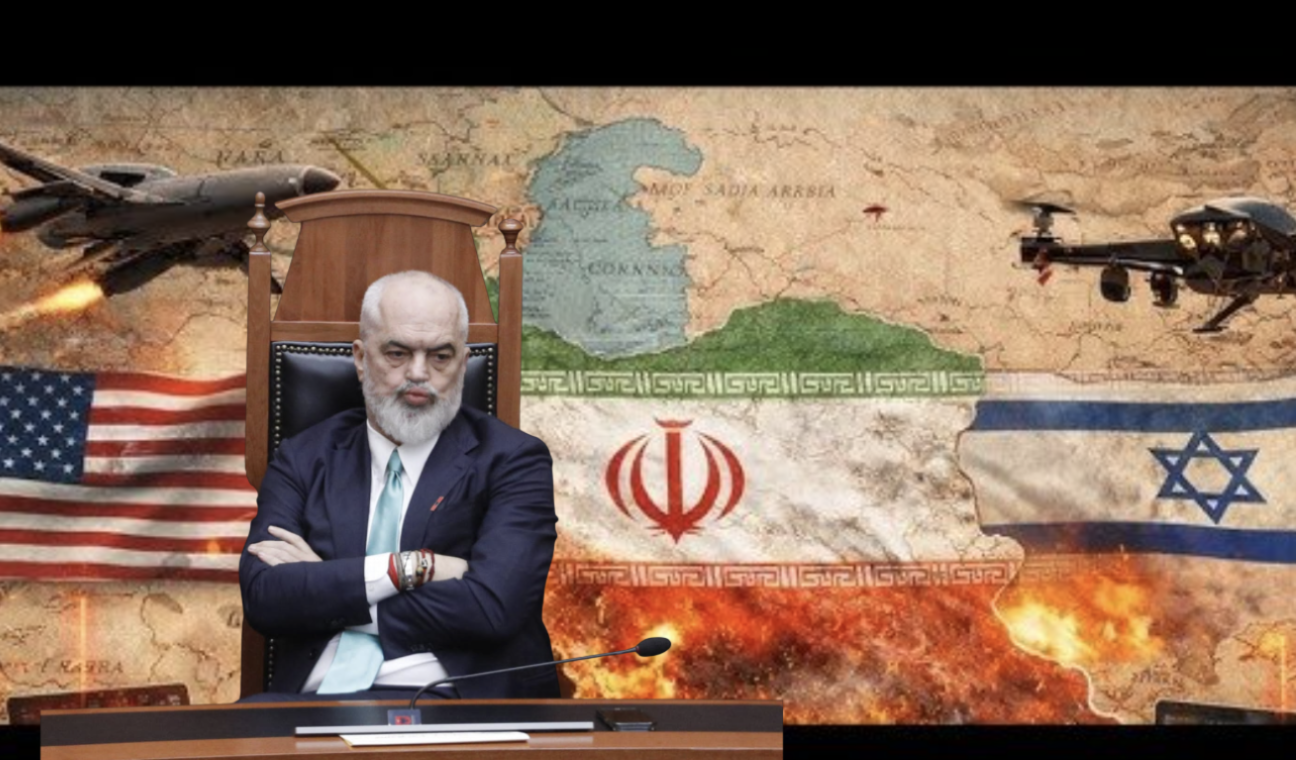 The culmination of Albania’s positioning outside the European Union’s lines is the offer to use Albanian territory for US military operations against Iran. In the same interview, in Politico, Rama declared that he would approve an American attack from Albanian territory towards Iran on condition that the US provided “air defense, which we do not have in the country.” And further: “It is not up to us [Albania] to decide how to treat Iran on the global stage, but it is up to us to support any effort to weaken and perhaps topple that regime.”
The statement came after several EU countries rejected similar requests, and this assertion places Albania in line with the United States of America and not at all with that of the European Union.
The episodes lined up one after the other reveal a feverish effort by the Albanian prime minister to be as clear as possible, both to the Americans and the Europeans, that in this clash within the alliance, Rama has made his choice.
And this is where the explanation for the recent outburst of the prime minister, who is treating integration into the European Union as a routine process, which will happen, but can also be postponed, can also be relativized, can also be challenged. After all, as long as the situation within the (former) Western alliance resembles a circus, Rama is also doing the acrobatics that he thinks will keep him on stage longer. /Lapsi.al
Happening now...


Sali Llapa
Nga Bato Kosova
ideas

Sali himself, Kadi himself!
Nga Edison Ypi


Everyone against the murderer, no one against themselves!
Nga Andrea Danglli
top


Alfa recipes







services
- POLICE129
- STREET POLICE126
- AMBULANCE112
- FIREFIGHTER128