


FLASH NEWS
BIRN: Albanian controversy over increasing money supply and inflation

2026-04-10 08:26:54 / EKONOMI&SOCIALE
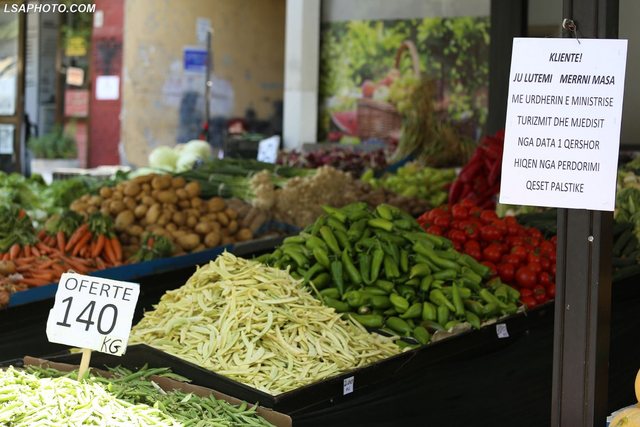
The M3 Monetary Measure indicator grew at a very rapid pace during the second half of 2025 as well as in the first two months of this year, signaling the risk of high inflation. But inflation, at least as far as the Consumer Price Index measured by INSTAT is concerned, does not yet appear at worrying levels. The Bank of Albania's data on the country's monetary indicators as well as the Institute of Statistics' data on the performance of consumer goods prices thus fall into an inexplicable contradiction with the main economic theory, which has guided economic policies around the globe for almost six decades.
Double against economic growth
According to data from the Bank of Albania, the M3 Monetary Measure increased in annual terms by 10.2% in December 2025. In the same period, the Consumer Price Index increased by 2.2% while the Gross Domestic Product, in nominal terms, according to data from the Ministry of Finance, increased by 4.95%. In the monetarist theory, developed five decades ago by Milton Friedman, an increase in the monetary measure at the level of 10%, against economic growth of 5%, would have caused an increase in inflation. This, as far as official statistics are concerned, turns out to be a wrong theory. While money in circulation increases at twice the rate of economic growth, this additional money in circulation, according to INSTAT, does not cause inflation.
Asset inflation or the economy of the rich
Citizens and some politicians are complaining these days about the price of tomatoes and other prices of essential goods. Their complaints seem to be unfounded, if we see that the inflation of goods measured by INSTAT does not provide any data to cause alarm. According to INSTAT data, the average inflation during the past year was 2.2%. The inflation of vegetables, about which the biggest complaints are heard, is officially 2.5%. This means that either INSTAT has measured the inflation of vegetables incorrectly, or the complaints are unfounded.
INSTAT's reputation as a professional institution is not strong. Like any institution under the current government, the image of the institution in question is damaged by the practice of total partisanship of the state and the use of state employment to collect votes. But the fact is that, no matter how much one might guess, there is no alternative to INSTAT. There is no other institution capable of making an alternative measurement of inflation.
The anomaly remains unresolved in this regard. Albania is a country where money in circulation has grown much faster than the economy and this has not caused, as any economist would expect, inflation.
Masa Monetare M3 është treguesi statistikor që përmbledh të gjithë paranë në qarkullim, përfshirë paranë fizike në monedha dhe kartëmonedha që mban në xhep çdo qytetar, paranë në depozita bankare në lekë apo në monedha të tjera, si dhe paranë të mbajtur në tituj borxhi, qofshin këto të qeverisë apo të korporatave private. Sipas të dhënave të BSH, M3 në dhjetor 2025 ishte afërisht 1.97 trilionë lekë ose rreth 20 miliardë euro. Në krahasim me dhjetorin e vitit 2024, M3 është rritur me 137 miliardë lekë ose 10.2%. Gjatë të njëjtës periudhë, Prodhimi i Brendshëm Bruto, ose sasia e vlerës së shtuar që puna e çdo shqiptari ka krijuar, arriti në 2.64 trilionë lekë, me një rritje vjetore prej më pak se 5%.
Paraja në ekonominë kombëtare është diçka e ndryshme nga paraja në jetën qytetarëve. Në ekonominë kombëtare është një mjet, i cili prodhohet pothuajse pa kosto nga banka qendrore dhe vihet në dispozicion të ekonomisë. Ndërsa në jetën e qytetarëve paraja është diferenca mes të qenit i pasur dhe të qenit i varfër. Sasia e parasë së prodhuar nga autoriteti që e emeton monedhën varet nga madhësia e ekonomisë. BSH nuk mundet të prodhojë para për t’i bërë të gjithë qytetarët e pasur sepse, në këtë rast, paraja thjeshtë do të bëhej një letër pa vlerë. Rrjedhimisht, kur ekonomia rritet me 5% në terma nominalë, masa monetare, pra paraja që i shërben kësaj ekonomie, mundet të rritet me të njëjtën masë.
Në fakt ka një shpjegim për këtë anomali dhe ky shpjegim është inflacionimi i aseteve dhe ekonomia e të pasurve. Por para se të mbërrijmë këtu duhet të vërejmë një anomali tjetër, gjithashtu shumë të fortë, që ekonomia ka shfaqur gjatë vitit 2025.
Depozitat rriten më shpejt se sa PBB
Gjatë vitit 2025, depozitat e qytetarëve dhe të bizneseve në bankat e nivelit të dytë në Shqipëri arritën në afërsisht 1.9 trilionë lekë. Rritja në krahasim me vitin 2024 ishte në masën 8.5% ose 148 miliardë lekë. Përveç faktit që rritja e depozitave është më e madhe se sa rritja e Prodhimit të Brendshëm Bruto në vlerë nominale, pra që do të thotë që një pjesë e konsiderueshme e rritjes së depozitave ka ardhur nga jashtë ekonomisë formale, fakti është që disa banka të mesme janë përfitueset kryesore të rritjes së depozitave. FIBank, ABI Bank dhe Tirana Bank udhëheqin tregun sa i përket rritjes së depozitave. Këto banka kanë njohur rritje të depozitave me 20, 17 dhe 18% në terma vjetorë. Ndërsa bankat tradicionalisht të njohura për shërbime për popullsinë e gjerë, si IntesaSanpalolo, Raiffeisen apo BKT, janë që të gjitha të kufizuara te shtimi i depozitave në ritmin e 4, 5 apo 7 për qind.
The fact that deposits of banks with a relatively limited number of customers have grown at a high rate, while those with a large number of customers have grown at a normal rate, suggests that the additional deposits belong to a small number of customers. And if this is the case, (Albania does not collect and analyze data to measure issues such as inequality so we can only guess on data reported for other purposes), then the addition of deposits and the addition of the M3 money supply, should not cause inflation in the Consumer Price Index, because this addition does not belong to the wider population. This may also explain why the prices of assets, which are not measured by INSTAT, such as real estate, have been rising at a much faster rate than economic growth for many years now.
However, it is likely that channeling the extra money into real estate and inflating the prices of these assets is only an indirect route before the extra money is passed on to general inflation.
The growth of the M3 money supply over the past year coincides to a large extent with the currency purchase schedule of the Bank of Albania to avoid the strengthening of the lek. The Bank of Albania bought 729 million euros in the market “to curb the strengthening of the lek” during 2025, but 435 million of these were purchased in July and August. Consequently, the pace of M3 growth jumped from 6-7% in the first half of the year to over 10% in the following months.
Apparently, a large amount of money entering the Albanian economy through channels not specifically identified and which many suspect come from the criminal activities of Albanians abroad, is entering the economy, is entering by force and is causing inflation. First, asset inflation and then, inflation of consumer goods. It is not difficult to distinguish a not very indirect connection between drug money and the price of tomatoes./Reporter.al
Happening now...













Denouncing Berishism is a prerequisite for denouncing the government
Nga Blendi Kajsiu
ideas



top



Alfa recipes



TRENDING 




services
- POLICE129
- STREET POLICE126
- AMBULANCE112
- FIREFIGHTER128