


FLASH NEWS
EU sets limit on toxins after formula milk recall

2026-02-04 16:09:27 / BOTA
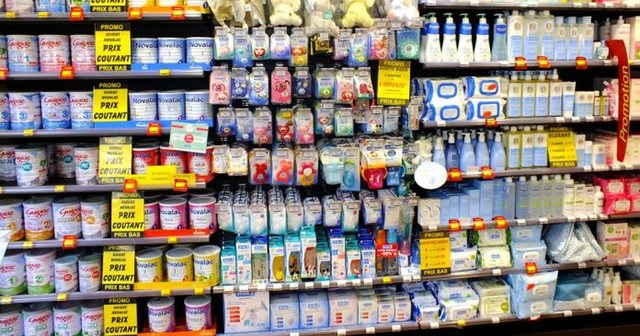
The European Food Safety Authority (EFSA) has set a maximum recommended daily safe dose for the toxin cereulide for infants, following suspicions of contamination of infant formula, which caused market recalls in more than 60 countries, according to Euractiv.
Cereulide, produced by the bacterium Bacillus cereus, can cause nausea, vomiting and diarrhea – and in young infants it can lead to dehydration.
Since December, major formula milk manufacturers, including Nestlé, Lactalis and Danone, have carried out preliminary recalls of infant formula batches worldwide after cereulide was discovered.
In response, the European Commission requested that EFSA provide urgent scientific advice and propose an EU-wide safety threshold – as a harmonised standard to trigger a market withdrawal.
EFSA announced today that its scientists had set an “acute reference dose” for cereulide in infants – the maximum amount that can be safely ingested in a single day – at 0.014 micrograms per kilogram of body weight.
This applies to young infants, which EFSA defines as under 16 weeks old.
This aligns with France's announcement that the national safety threshold will be lowered from 0.3 micrograms per kilogram to 0.014 micrograms per kilogram.
Although no cases of contamination have been confirmed, investigations are ongoing in France into the deaths of two infants in January who had consumed the "Guigoz" formula produced by "Nestlé".
The EU Centre for Disease Prevention and Control (ECDC) also said it had received reports of diarrhoea in children after consuming the recalled products.
After Nestlé confirmed that the contamination originated from the oil ingredient arachidonic acid (ARA), the attention of French authorities is now turning to a China-based manufacturer as the source of the contaminated batch.
Some critics say both companies and public authorities were too slow in issuing warnings.
According to the Financial Times, Nestlé told Dutch authorities on December 10 that internal testing had detected contamination at a factory and initiated the recalls on January 5, after weeks of testing the ingredients.
On January 29, the consumer protection NGO Foodwatch announced that it would file a complaint together with eight families whose children fell ill after consuming infant formula produced by Nestlé, Lactalis and Vitagermine.
"The companies have been terribly negligent in delaying the warning," said Ingrid Kragl, information director at Foodwatch France.
Nestlé argued that it had taken the necessary steps in the affected countries, in close cooperation with the authorities, to recall all potentially affected products and that, to date, no medical report had confirmed a link between its products and the disease.
Happening now...













ideas

They did not hinder Basha, but the political rotation
Nga Ermal Peçi
Hasimja kërkon të
Nga Neritan Vladi

For the reform parties, the government and the opposition
Nga Artan Fuga
top



Alfa recipes


TRENDING 




services
- POLICE129
- STREET POLICE126
- AMBULANCE112
- FIREFIGHTER128